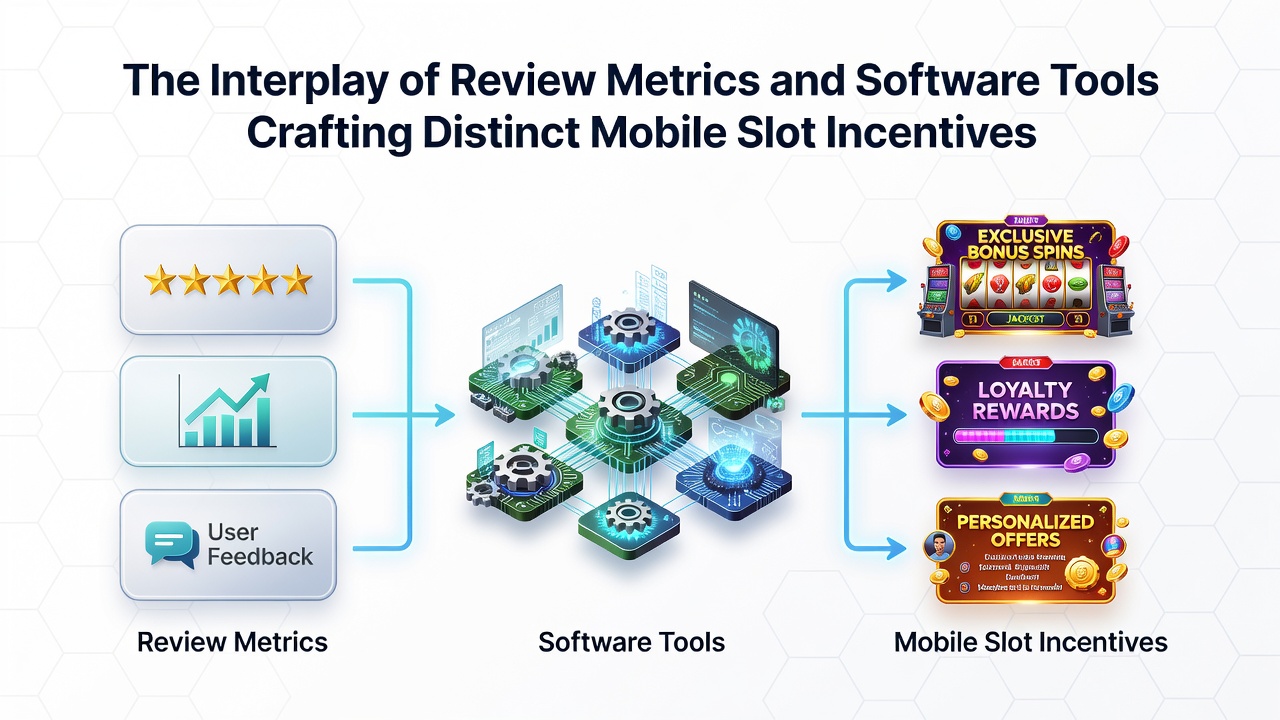
The Interplay of Review Metrics and Software Tools Crafting Distinct Mobile Slot Incentives
Review metrics collected from app stores and player feedback platforms have guided software developers toward more targeted incentive structures in mobile slot games, and data from these sources often shapes the algorithms that determine bonus frequency and type. Developers integrate rating scores with behavioral analytics to adjust free spin allocations and multiplier rewards that appear in specific game titles. This process relies on tools that process large datasets from user interactions while maintaining compliance with regional gaming standards.
Review Data as Input for Incentive Design
App store ratings and written player comments supply quantitative and qualitative inputs that software platforms convert into parameters for mobile slot incentives, and operators track patterns in star ratings alongside complaint categories such as payout speed or bonus clarity. When average ratings dip below established thresholds, development teams adjust reward structures by increasing trigger rates for in-game events or modifying the visibility of progressive elements. Research from the UNLV Center for Gaming Research indicates that these adjustments correlate with measurable lifts in session duration across multiple operator portfolios during the third quarter of 2026.
Software suites aggregate review text through natural language processing modules that identify recurring phrases related to reward satisfaction, and those outputs feed directly into rule engines that recalibrate bonus parameters on a weekly cycle. Observers note that platforms handling high volumes of mobile traffic apply these recalibrations more frequently than desktop-focused systems because user retention metrics move quickly in response to perceived value changes.
Software Tools Enabling Personalization at Scale
Modern game engines incorporate real-time analytics layers that combine review-derived scores with device telemetry and transaction histories to generate individualized incentive offers, and these layers operate on cloud infrastructures that support rapid A/B testing of reward variants. Machine learning models trained on historical rating data predict which bonus configurations are likely to improve future review sentiment for particular user segments. In October 2026 several major providers reported deployment of updated toolkits that reduced the time between data ingestion and live incentive rollout from days to hours.
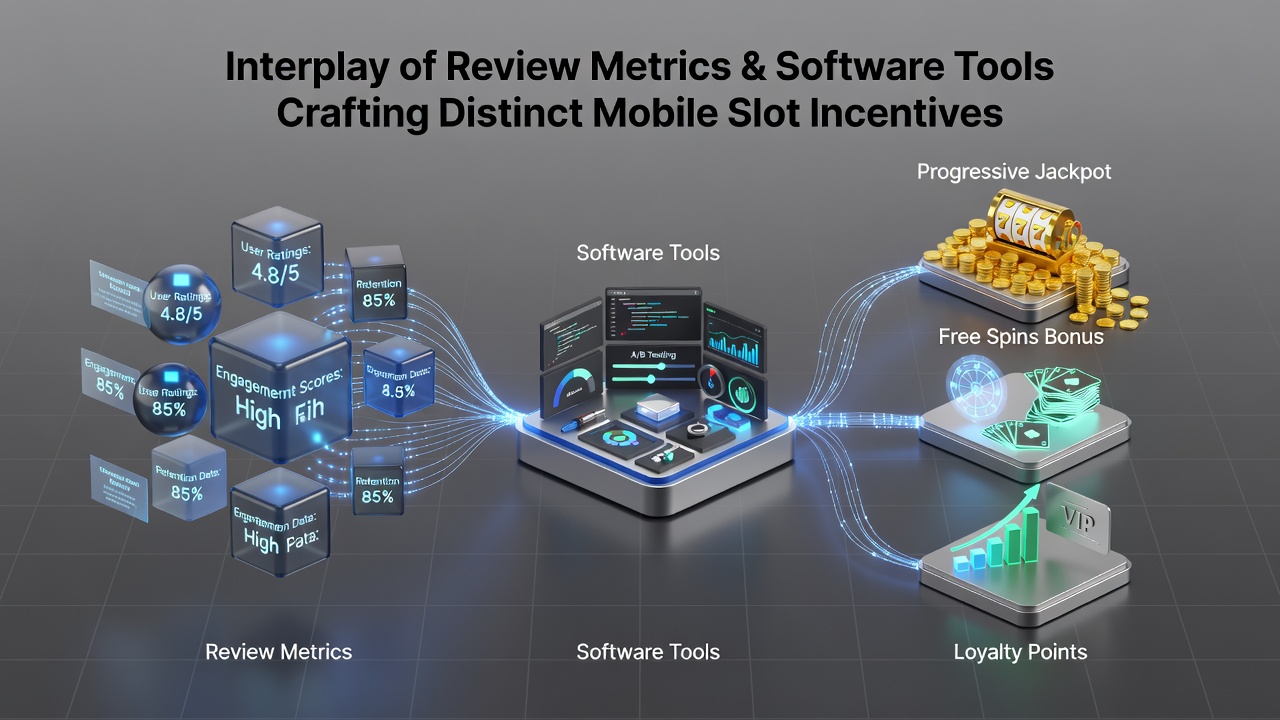
Random number generator certification remains separate from incentive logic yet the same middleware platforms often manage both functions to ensure that bonus outcomes stay within approved probability ranges. Integration between review monitoring dashboards and RNG servers allows operators to verify that any increase in free spin frequency does not alter the underlying game mathematics. Gaming Laboratories International maintains documentation on these combined systems and their use across North American and Asian markets.
Regional Variations in Metric Application
Jurisdictions apply different reporting requirements that influence how review metrics translate into incentive adjustments, and operators serving multiple regions maintain separate configuration profiles within the same software framework. European frameworks emphasize transparency in bonus terms while certain Asian markets focus on maximum bet limits tied to promotional offers. Data aggregation tools therefore include jurisdiction-specific filters that prevent incentive structures from violating local rules even when global review trends suggest a particular change.
Payment integration modules further intersect with these systems because deposit and withdrawal speeds frequently appear in player reviews and directly affect perceived incentive value. Software providers link transaction logs to review scoring systems so that delays in one area trigger compensatory adjustments in another. This interconnected approach has become standard in platforms that serve cross-border audiences where regulatory divergence creates additional complexity.
Conclusion
The relationship between review metrics and software tooling continues to determine how mobile slot incentives evolve across operator portfolios. Quantitative rating data and qualitative feedback feed into personalization engines that recalibrate rewards while preserving regulatory compliance. As toolkits mature, the speed and precision of these adjustments increase, and operators that maintain robust data pipelines gain measurable advantages in sustaining player engagement across diverse geographic markets.